

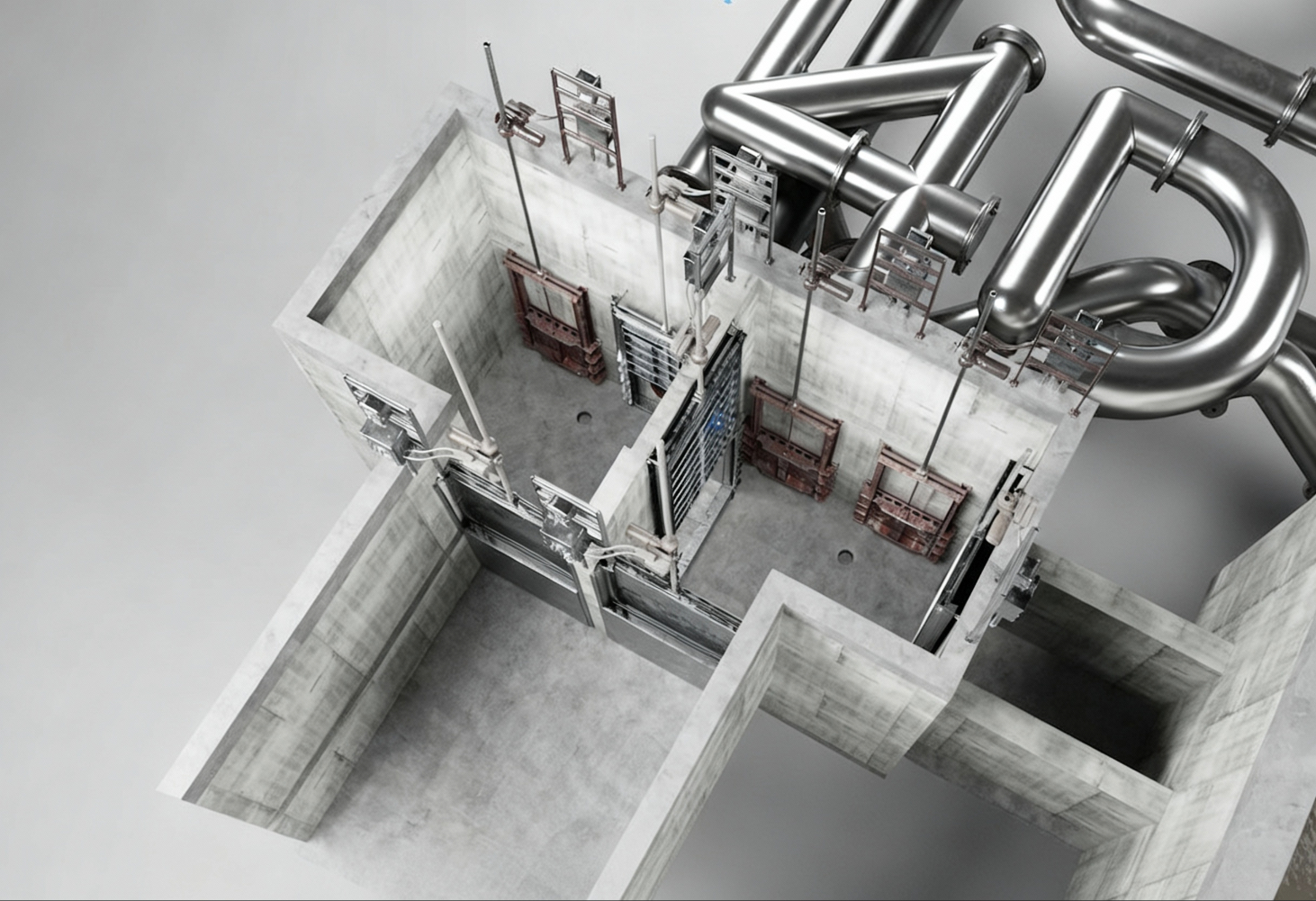
In today’s construction landscape, where project complexity, stakeholder expectations, and operational constraints continue to intensify, visual clarity has become one of the most powerful tools we can bring to a project. 4D scheduling links a project’s 3D model to its timeline so you can visualize construction activities, sequences, and critical tie-ins as they unfold. It’s essentially adding the dimension of time to a 3D model to show how the project will progress. At MWH, we are advancing this clarity through the innovative use of 4D construction videos, transforming traditional planning into dynamic, predictive visual stories that enhance alignment, safety, and decision-making.
Historically, planning efforts relied on: lengthy in-person work sessions, step-by-step PowerPoint sequences, and dense Gantt charts. While effective, these tools often required repeated site walks and still left many builders and partners struggling to visualize complex constraints, particularly on projects with parallel construction, operational dependencies, or multi-contractor interfaces.
For projects like the Walnut Creek Wastewater Treatment Plant expansion, which includes improvements to existing Headworks buildings, a new influent lift station, 25 MGD treatment trains, UV disinfection and wet weather facilities, flood protection walls, odor control upgrades, and a mile-long outfall tunnel—all while maintaining daily treatment capacity—the traditional approach simply could not convey the full picture. 4D videos changed that.
By integrating the construction schedule (the “4th dimension: time”) directly into a 3D model, the project team produced an intuitive visual sequence showing:
Operations staff summarized the impact perfectly: “Now we have a clear picture.”
Given The success of 4D visualization at Headworks set a new standard. Following this achievement, our VDC team is now implementing 4D videos across other critical sequence work within the Walnut Creek program, including major tie-ins, bypasses, and outage planning. This approach ensures that every high-risk activity is clearly understood, collaboratively reviewed, and executed safely.
Given its success, MWH is expanding the use of 4D videos across the Walnut Creek program and other complex projects. The next phase includes using 4D for:
These tools have been shown, across ENR-recognized programs and peer-reviewed studies, to reduce rework, increase schedule reliability, and strengthen collaboration on large water and wastewater projects.
Our VDC team is not simply following this trend, they’re leading it.
By integrating 4D into our delivery approach, MWH is demonstrating how innovation drives tangible value, practical problem-solving, and stronger partnerships. We are turning complex plans into clear pictures—and paving the way for safer, smarter, more predictable project execution.
The adoption of 4D visualization delivered measurable improvements across the project:
Stakeholders could see planned activities, understand impacts, and approve critical path changes with confidence.
Owners, operations, designers, and contractors aligned more quickly around shared visuals.
High-risk sequences could be reviewed, deconflicted, and optimized long before boots hit the ground.
Fewer RFIs and site visits were required when builders understood the sequence upfront.

The Bull Run Filtration Facility in Gresham, Oregon has earned the Envision Platinum Award, the highest honor from the Institute for Sustainable Infrastructure, recognizing its exceptional commitment to sustainability, environmental protection, and long‑term community benefit. As a major investment in the region’s drinking water system, the project will improve water quality, enhance reliability, and protect the Bull Run Watershed for future generations. The award highlights strong collaboration among the Portland Water Bureau, design teams, construction partners—including the MWH‑Kiewit joint venture—and community stakeholders, as well as leadership in climate resilience, resource efficiency, and workforce equity.
Read More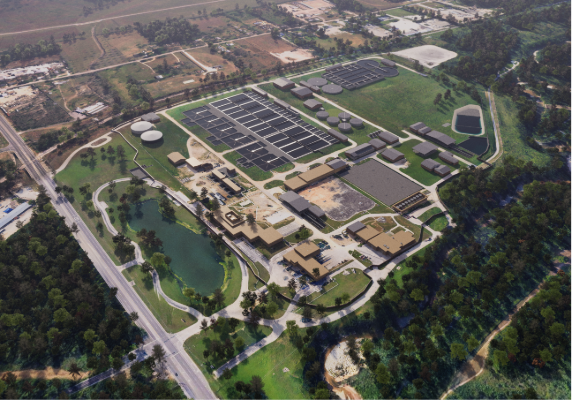
This digital thread ensures that design engineers, construction teams, operations staff, and City leadership all work from the same validated foundation of information. In an environment as utility-dense as a 50-year-old wastewater treatment plant, this visibility is essential.
Read More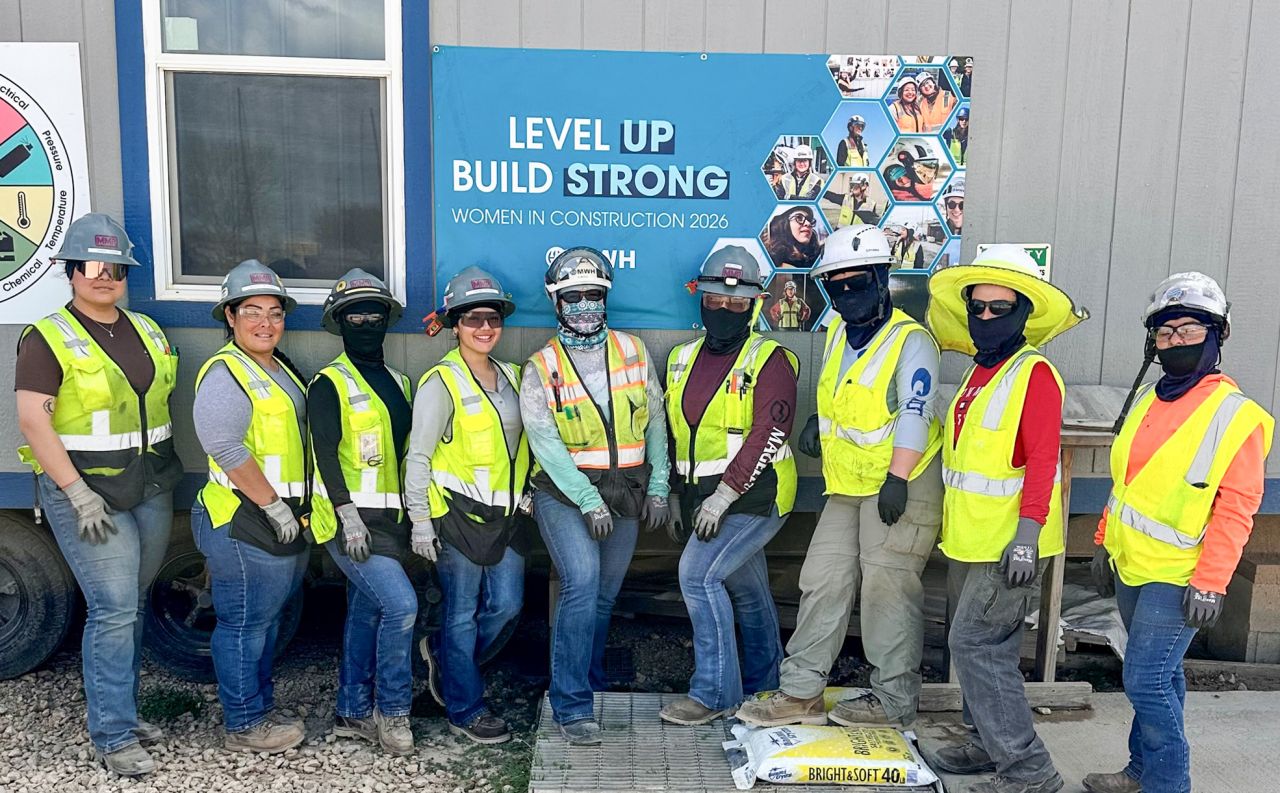
In January, MWH officially launched its Women in Construction chapter—an exciting milestone for the company and a meaningful step forward for representation across our jobsites, offices, and leadership teams. The launch reflects a growing commitment to elevating the voices and experiences of women who contribute to every part of our work.
Read More


