

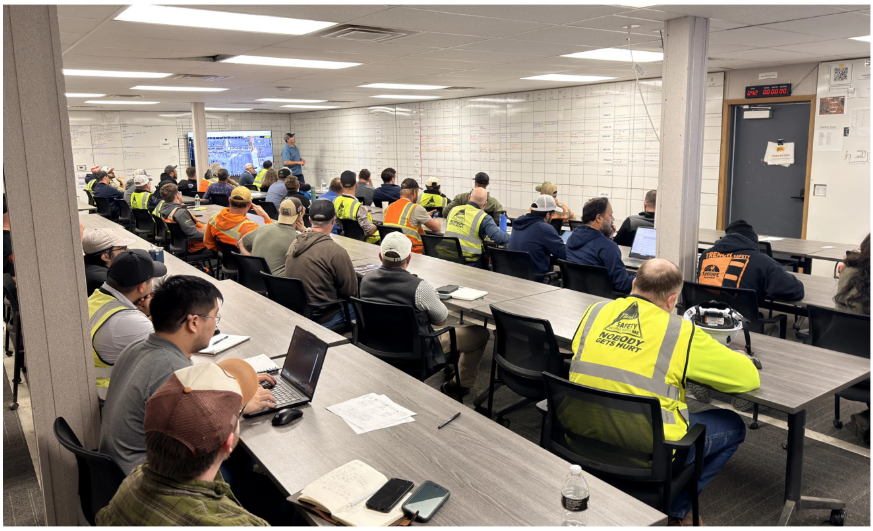
On an ordinary afternoon at the Bull Run Water Filtration Project, the conference room hums with energy. Dozens of people gather around long stretches of whiteboards covered in color-coded notes, names, and dates. Conversations overlap with laughter, problem-solving, and focused planning. This daily ritual—known as the Play of the Day, or POD—is where the project connects, aligns, and moves forward together.
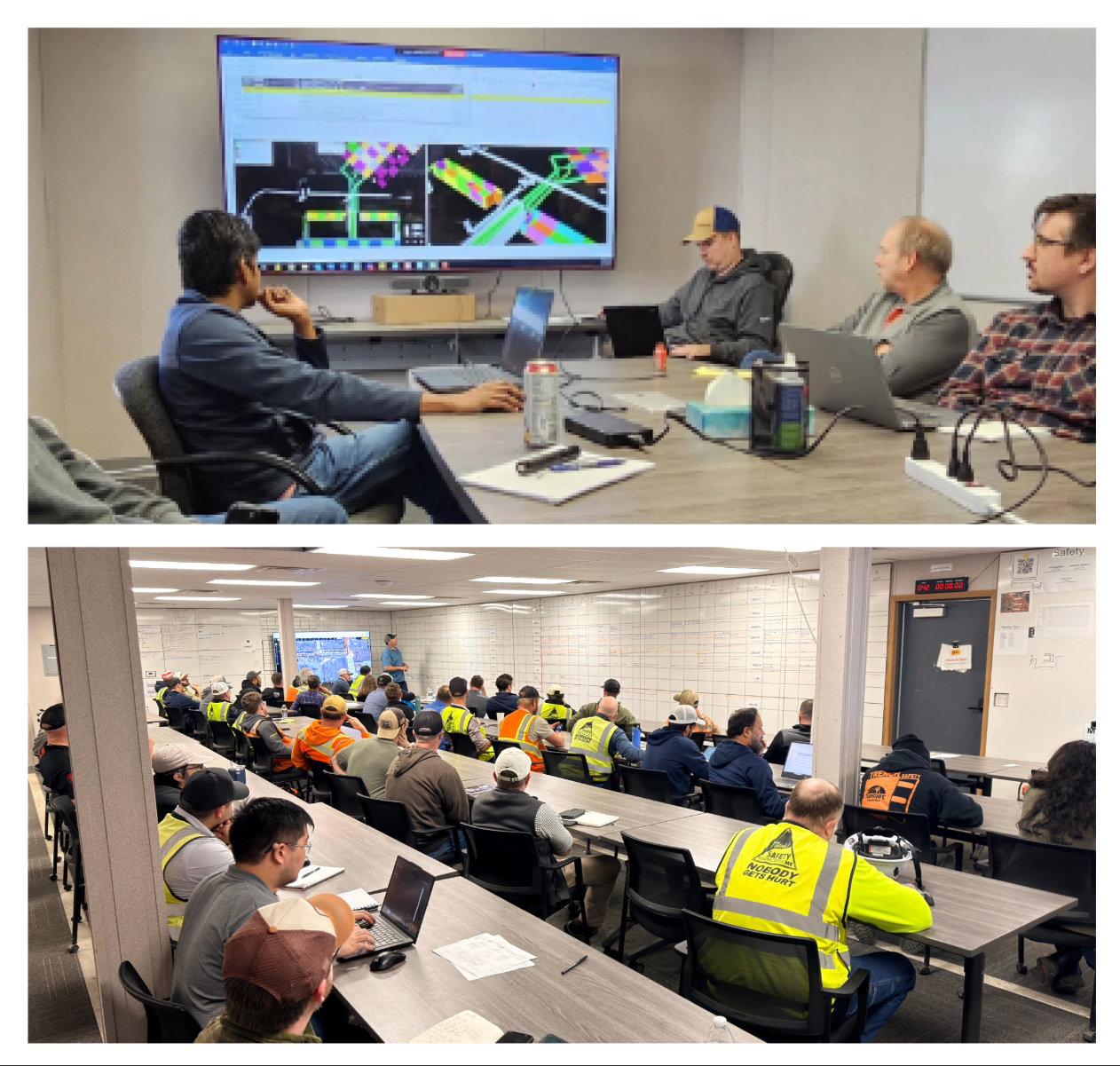
Located in East Multnomah County, Oregon, the Bull Run Filtration Project spans more than 90 acres and will provide high-quality drinking water to nearly one million people for the next 100 years. The facility is being built to meet federal and state requirements
to filter out naturally occurring microorganisms such as Cryptosporidium, ensuring long-term resilience and public health. But while the scale of the project
is immense, what truly defines Bull Run is the people behind it—and the culture they are building day by day.
For Tom Paul, MWH Senior Vice President overseeing the project, leadership begins with presence. From his earliest days on site, he made it a priority to be visible—arriving early, joining meetings, and creating space for honest conversation. Leadership wasn’t something happening behind closed doors; it became something felt throughout the jobsite.
“It’s about managing people,” Tom says. “When you start to break it down, it’s all about people talking and communicating.”
That philosophy is woven into every part of the project. Tom personally kicks off new-hire orientations each week, emphasizing safety, communication, and the importance of looking out for one another. Stop Work Authority is not just encouraged—it’s expected. “If something doesn’t feel right, trust your gut,” he tells every new team member. “I will back you 100% every time.”
This consistency has built trust across the site. As Tom puts it, “Open communication and being present in the moment” is what keeps the team aligned and confident.
The POD meeting is the heartbeat of Bull Run. Each day, about 75 foremen and superintendents gather around an 80-foot wall of whiteboards marked by days, work areas, and color-coded tasks from every subcontractor—creating a living, shared plan for the entire site. But the POD is more than a schedule; it’s a space for accountability, collaboration, and connection. Wins are celebrated, challenges are addressed openly, and teams solve problems in real time, often untangling complex scheduling issues simply by talking through them together.
Tom Paul’s first POD meeting set the tone. He paused the room and asked, “Raise your hand if you’re going to build this by yourself.” When no hands went up, he made the point clear: “Exactly. We need to find a way to build this together.” From that moment, the culture began to shift. People started joking with one another, offering help, and taking shared ownership of the work. As Tom often reminds the team, “Praise is more valuable than blame.”
He also shares a guiding principle borrowed from General Patton: “Never tell people how to do things. Tell them what needs to get done—and let them surprise you with their ingenuity.”
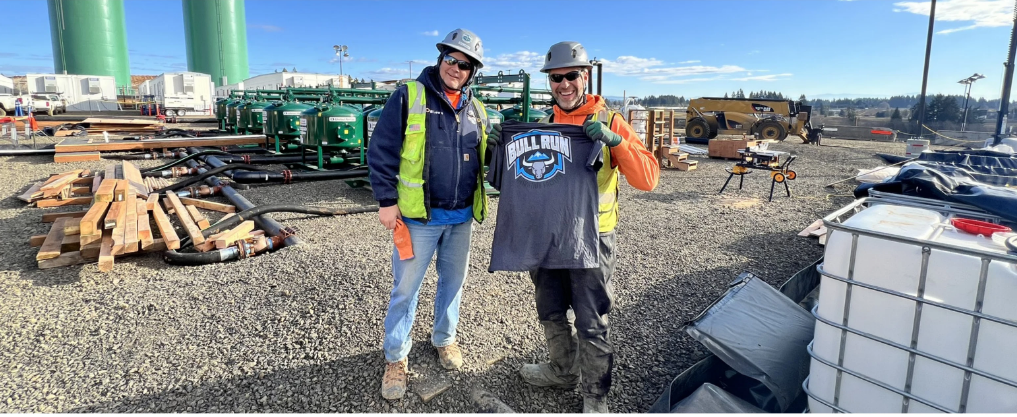
Bull Run Filtration Project operates with what
Tom calls “family-style construction.” Respect is demonstrated through simple actions—introducing yourself, participating in safety walks, and engaging in Play of The Day meetings. Support shows up in practical ways too: busing and vanpool options, an on-site EMT, and leaders who check in not just about work, but about people.
“We talk a lot about family, and there is a family here,” Tom says. “A family of 300.”
Tom often references Tuckman’s Ladder—the five stages of group development—as a way to understand the team’s evolution. When he arrived, the project was in the “storming” phase. Through intentional leadership and a focus on communication, the team is now transitioning from “norming” to “performing,” where trust is high and collaboration is seamless.
Small gestures reinforce this sense of belonging. On weekends, Tom checks who is working, heads to the grocery store, and cooks a meal for the team. They eat together, laugh together, and take a moment to simply be people—not just workers on a jobsite.
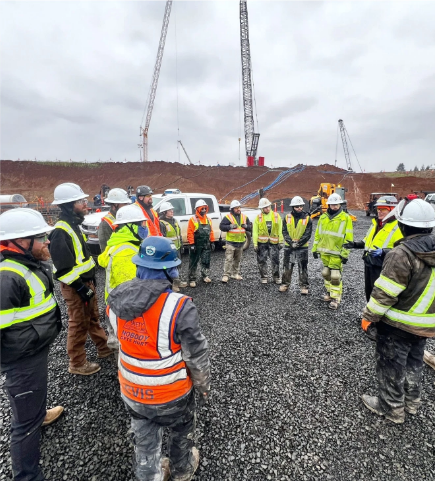
The site is surrounded by long-standing tree farms and generational families. That proximity makes community engagement essential—and deeply meaningful.
Once a month, MWH leadership participates in Coffee with the Contractor meetings at the local grange hall. Residents can meet the team, ask questions, and voice concerns. MWH leadership listens, shares information about the project, and works to address resident concerns—everything from speeding trucks to site lighting at night.
“If people don’t understand, their initial instinct is to be scared,” Tom explains. Transparency has been key to building trust. Whether it’s notifying residents about upcoming cement truck traffic or answering questions face-to-face, the team’s patience and empathy have made a lasting impact.
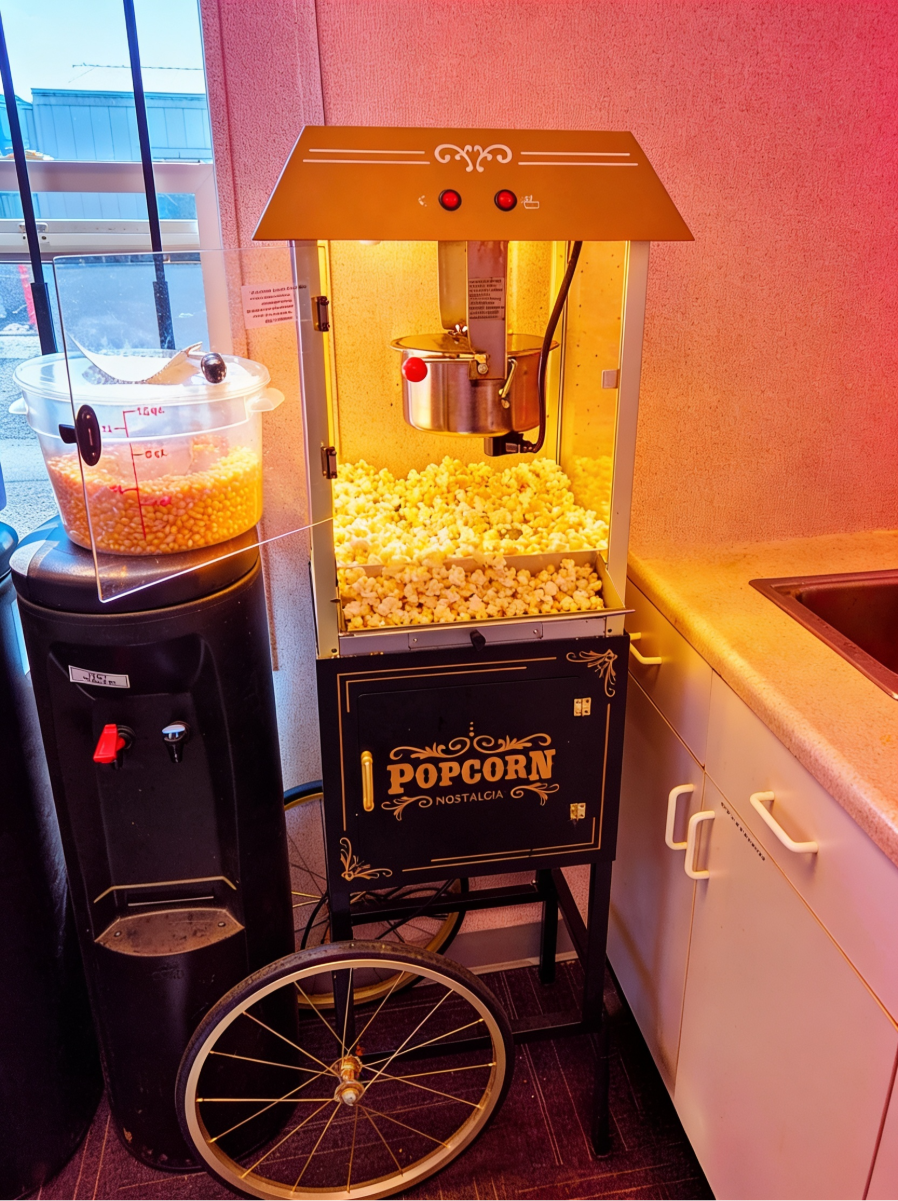
Walk through the doors at Bull Run on the right afternoon and you might think you’ve stepped into
a movie theater. The smell of fresh popcorn drifts through the trailer, pulling people in from across the site. Foremen, inspectors, engineers, and visitors slow down, grab a handful, and linger just a little longer than planned. Conversations spark, stress eases, and for a moment the pace of the job softens.
The popcorn machine—now a small but beloved part of Bull Run’s culture—was brought to the project by Steve Clapper when he joined in July 2025. He’d seen how something simple could make a big impact, and he knew it was worth bringing along. Since then, it has become more than a snack station; it’s a meeting point, a morale boost, and a reminder to pause and connect. As Steve says, “As soon as you open the front door, you smell popcorn, like going into a movie theater.”
That familiar scent resets the room. People coming in from a long morning or a tight schedule walk through the door smiling. The popcorn creates space for shared moments that don’t require an agenda—just a chance to breathe.
On a project as large and demanding as Bull Run, those small moments matter. The popcorn machine may never appear on a schedule or a report, but its impact is felt every day, quietly reinforcing the culture of connection, care, and community that defines the site. Sometimes, it really is the little things.
When asked what he’s most proud of, Tom doesn’t hesitate: the relationships. “I sat down with most everybody here one-on-one and got to know them,” he says. “When you get to that point, then all of a sudden the job becomes a family.” He’s also proud of the diversity and discipline on site—proof that “it takes a world to build a job, not just a village.”
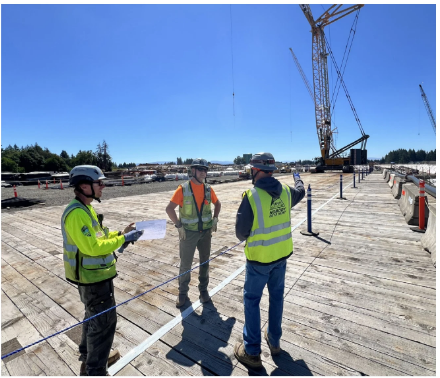
If he had to describe the project in a single phrase, he’d say “Communication and being present.” Ultimately, the Bull Run Filtration Project is about far more than construction milestones. It is about stewardship—of water, of relationships, and of the people doing the work. Designed to serve future generations, the facility represents a long-term commitment to both infrastructure and community. “This plant is designed for 100 years,” Tom says. “We’re going to deliver the highest‑quality water to almost a million people for the next 100 years.”
At Bull Run Filtration Project, collaboration is built day by day, communication is intentional, and connection is treated as essential. Together, those elements have shaped a project moving forward with momentum, purpose, and a shared sense of pride in what’s being built—together.
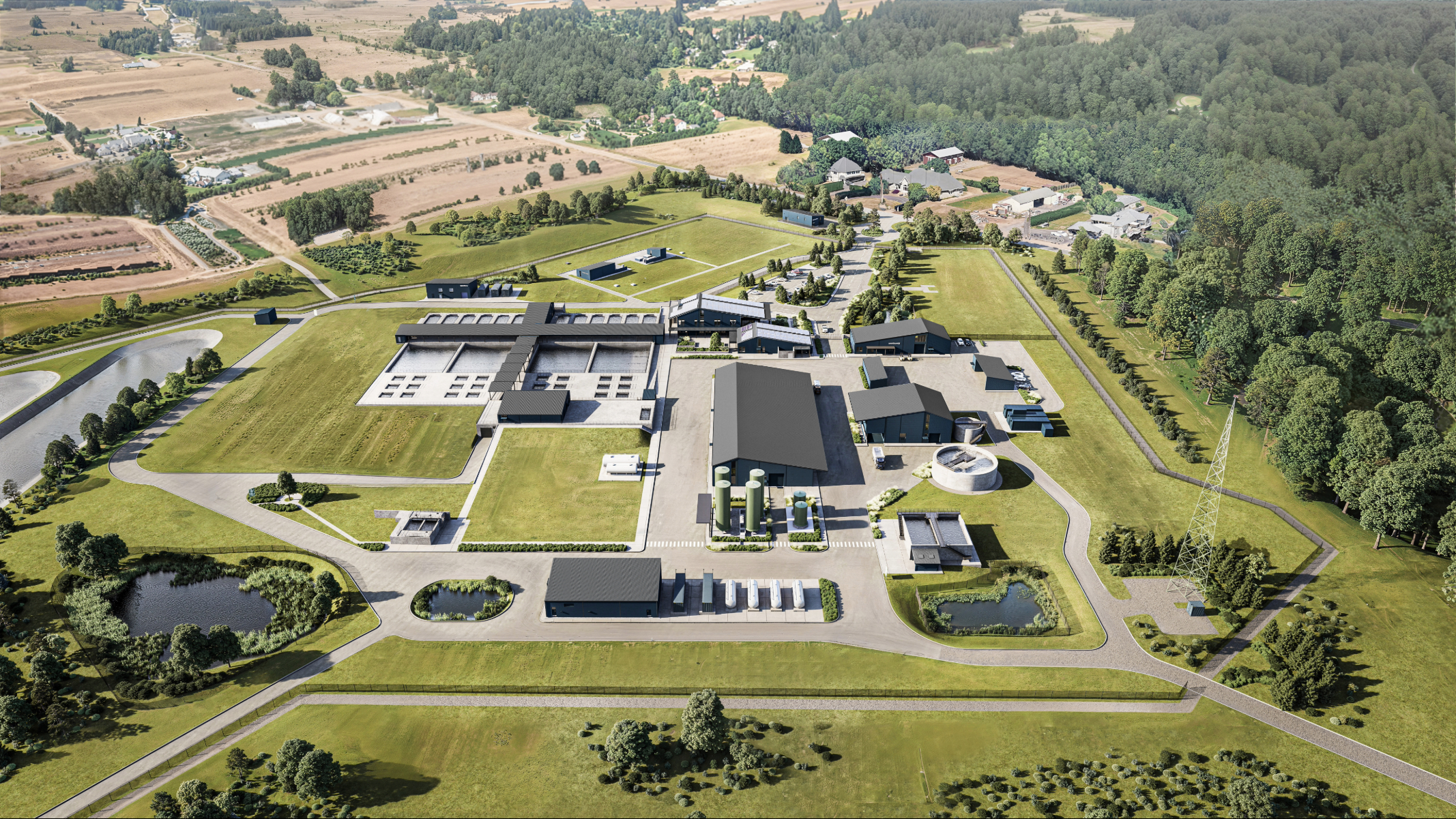

The Bull Run Filtration Facility in Gresham, Oregon has earned the Envision Platinum Award, the highest honor from the Institute for Sustainable Infrastructure, recognizing its exceptional commitment to sustainability, environmental protection, and long‑term community benefit. As a major investment in the region’s drinking water system, the project will improve water quality, enhance reliability, and protect the Bull Run Watershed for future generations. The award highlights strong collaboration among the Portland Water Bureau, design teams, construction partners—including the MWH‑Kiewit joint venture—and community stakeholders, as well as leadership in climate resilience, resource efficiency, and workforce equity.
Read More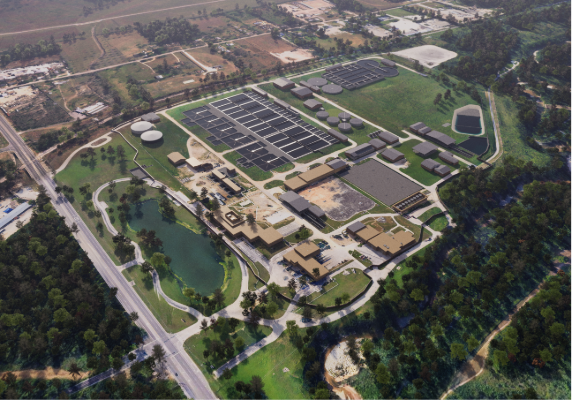
This digital thread ensures that design engineers, construction teams, operations staff, and City leadership all work from the same validated foundation of information. In an environment as utility-dense as a 50-year-old wastewater treatment plant, this visibility is essential.
Read More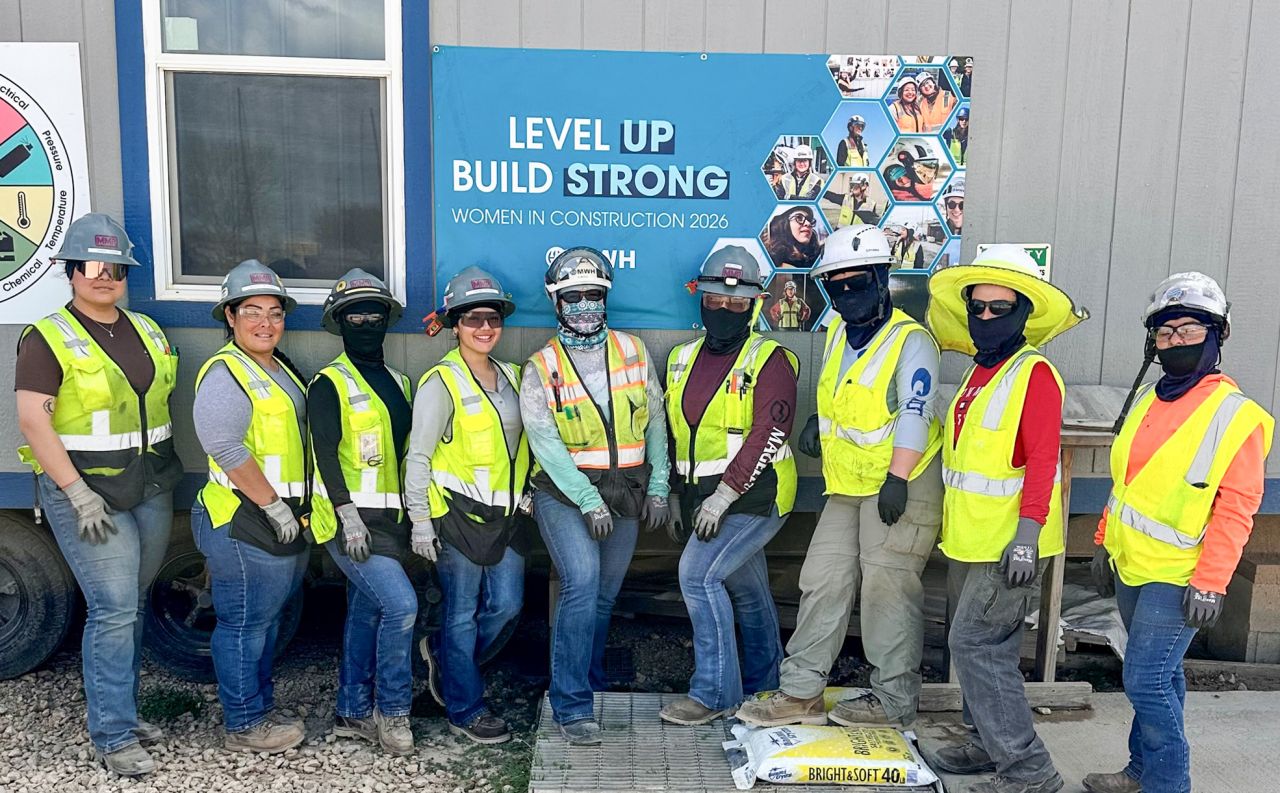
In January, MWH officially launched its Women in Construction chapter—an exciting milestone for the company and a meaningful step forward for representation across our jobsites, offices, and leadership teams. The launch reflects a growing commitment to elevating the voices and experiences of women who contribute to every part of our work.
Read More


